



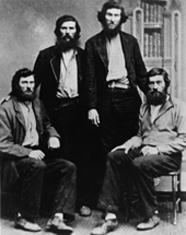



The Lacy Game Dog Registry™ (LGDR) is the official and original registry for the Blue Lacy breed—a uniquely Texan working dog developed by the Lacy brothers in the 1800s. Founded on a deep respect for the breed’s history, the LGDR is committed to preserving the Blue Lacy’s genetic integrity, working ability, and true origin.
We maintain a Closed Stud Book Breed Registry, meaning all registered dogs must trace back to the original foundation stock. No outside bloodlines are accepted. This ensures that every registered Blue Lacy is a purebred representative of the breed, backed by verified lineage.
The LGDR carefully certifies the ancestral pedigree of each Blue Lacy submitted. Every registered dog receives a pedigree certificate that is:
To protect the quality of future generations, the LGDR has implemented strict breeding standards and required documentation, including:
Breeding inspection forms
Breeder ethics code agreement
Litter forms and current photos for verification
Breeding pairs must not share ancestors within four generations.
Issuance of Puppy Certificates and Pedigrees only when standards are met
The LGDR has a long and carefully documented history of registry stewardship:
Jack Franks founded and operated the LGDR until 1987, personally inspecting and registering each dog.
Raymond Trimble managed the registry from 1987–1990. A government trapper, he used Blue Lacys in his work with the Texas Wildlife Department.
Larry Boyd, also a government trapper, assumed responsibility in 1990. After contracting Lyme disease, he passed the registry to the next generation.
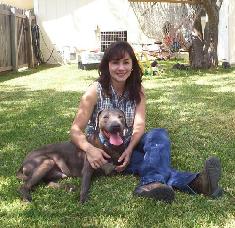
Marlo Riley (now Marlo Ondrej), great-great-granddaughter of Frank Lacy, took over in 1998. In 2013, she married Gary Ondrej and now signs all official registry documents as Marlo Ondrej.
As direct descendants of the Lacy family, Marlo Ondrej and her sister Anedrea Hodges work to preserve the breed’s historical records. Their efforts were supported by family members such as Helen Gibbs, Granville Lacy, R.L. Metzger, and Winifred Roque, who shared important photos, documents, and family stories.
In addition to family contributions, lifelong Lacy owners helped document the breed’s rich history. Ruth Wilkes, whose father worked as ranch foreman for George Washington Lacy, inherited a portion of the original Lacy land. Her husband, H.C. Wilkes, is honored in the Quinlan, Texas “Hall of Fame” for his contributions to the breed.
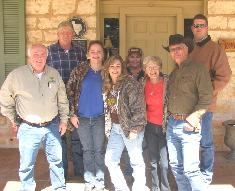
The LGDR also recognizes the enduring commitment of Tom Graham, Gary Larremore, and Brian Larremore, who have owned and worked with Blue Lacys since boyhood. Their lifelong dedication is reflected in the quality of the dogs we see today.
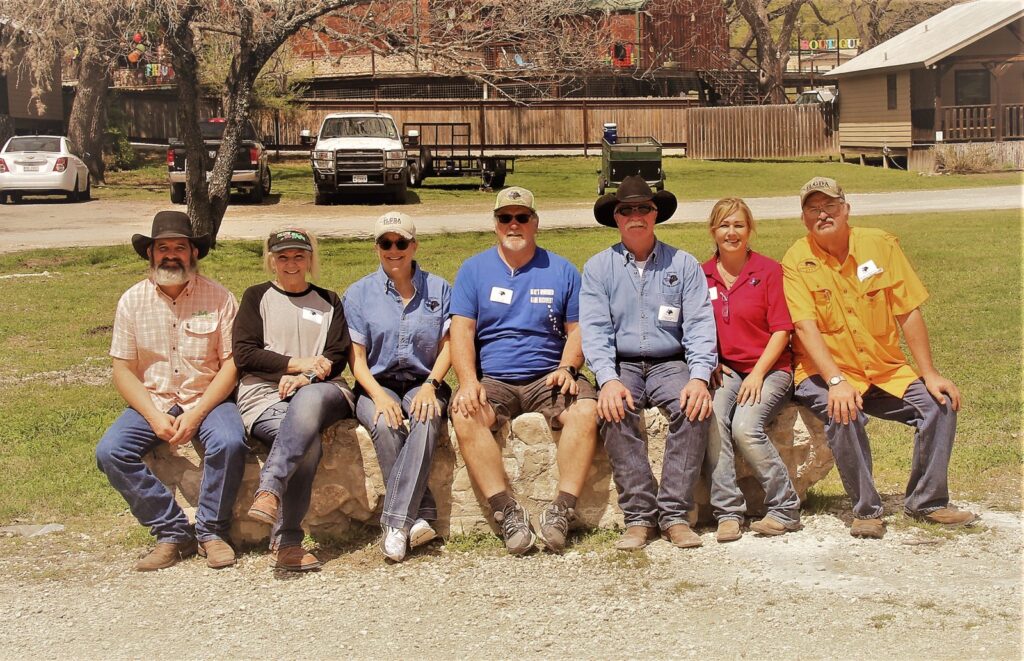
Affiliate Breed Club of the Texas Lacy Game Dog Association (TLGDA) was formed to work in unison with the Lacy Game Dog Registry™ to help achieve its goal of preserving the Blue Lacy breed. It offers Lacy owners and others a community where members can share their interest in the breed.
The LGDR isn’t just a registry—it’s a guardian of the Blue Lacy’s legacy. Through rigorous standards, ethical breeding oversight, and a commitment to historic preservation, we ensure the future of this exceptional Texas breed remains as strong and reliable as its past.